

-
 admin
admin - 8th April 2026
How Often Should Tires Be Replaced? These 3 Signals Indicate It’s Time to Replace Tires
On the road, tires are the only connection between the vehicle and the ground.
They bear the weight of the entire vehicle and guard the safety of every journey. Whether it is daily urban commuting, long-distance logistics transportation, outdoor off-road adventures, or industrial and mining operations, choosing a tire suitable for the scenario can not only improve the travel experience, but also extend the tire service life and reduce the use cost. However, many people often fall into the misunderstanding of “only looking at the brand, not the demand” when choosing tires, ignoring the matching degree between tire performance and vehicle usage scenarios, which ultimately leads to excessive tire wear and increased safety hazards. Today, we will disassemble the tire selection logic in different scenarios to help you choose the right tire and use it well.
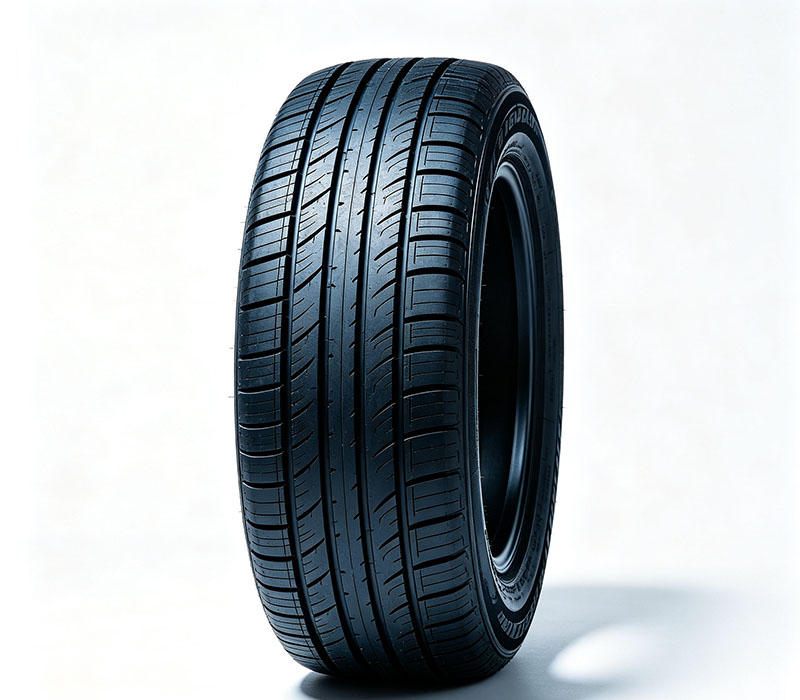
For urban commuters, the core needs are quietness, energy saving and comfort.
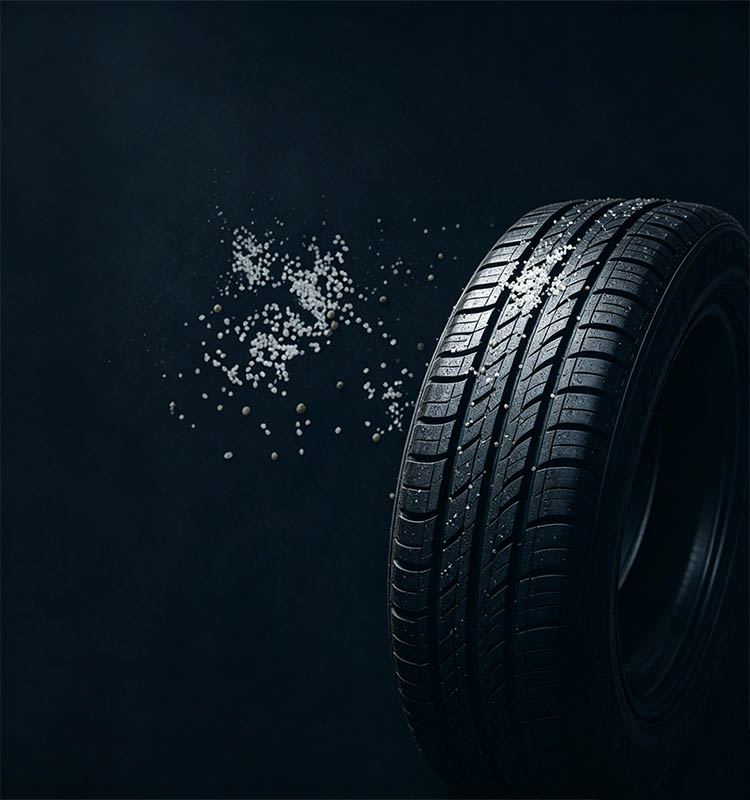
Facing congested road conditions and frequent starts and stops every day, a quiet tire can effectively reduce driving noise and improve in-car quietness; the low rolling resistance design can reduce fuel consumption or energy consumption of new energy vehicles, helping you save travel costs. Our quiet and energy-saving solution for urban commuting is designed for this demand, adopting a quiet rubber formula and asymmetric tread pattern, balancing quietness and energy saving, adapting to multi-road condition driving in cities, making daily commuting more comfortable and economical.
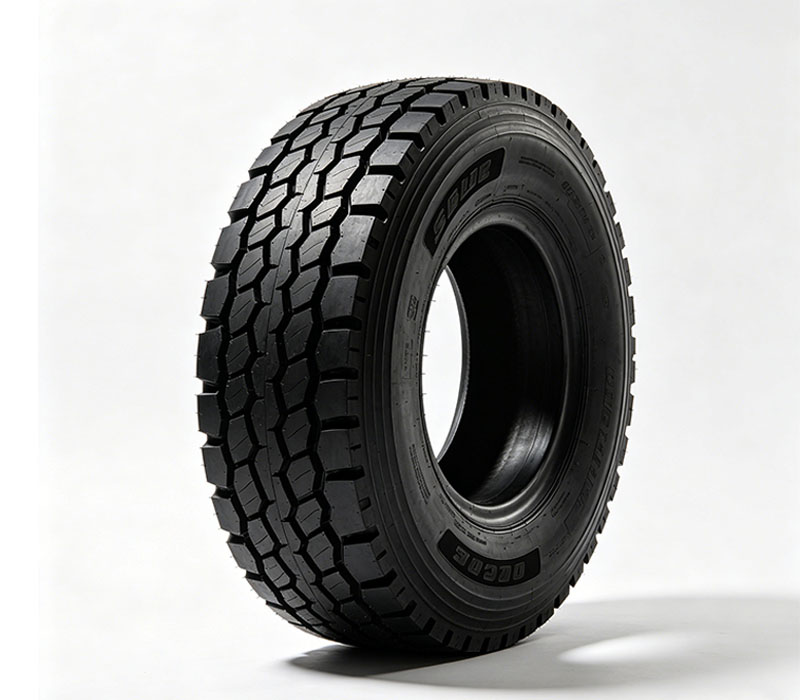
For logistics fleets, “cost reduction and efficiency improvement” is the core demand.
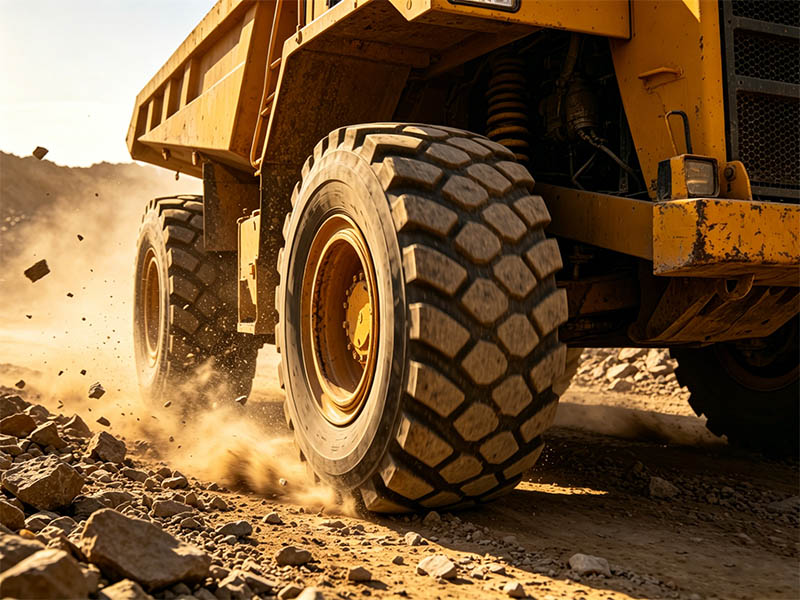
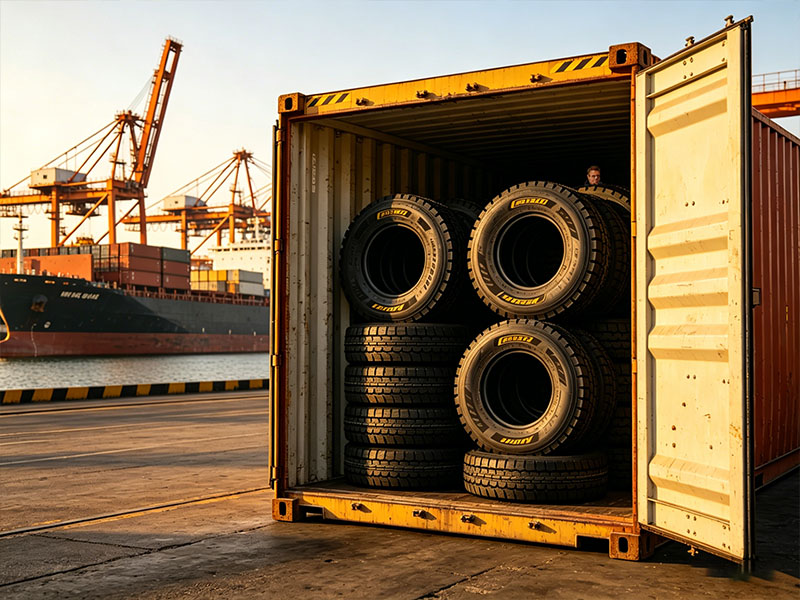
As a high-frequency consumable, the durability and cost control of tires are particularly important. Many logistics fleets frequently replace tires because they choose tires that are not suitable for heavy loads and long-distance driving, which greatly increases operating costs. Our tire cost optimization solution for logistics fleets will customize special tires with high wear resistance and impact resistance according to the fleet’s operation route and load condition. At the same time, through full-life cycle management, regular on-site inspections and maintenance are carried out to extend the tire service life by more than 30%, helping the fleet reduce comprehensive operating costs and improve operational efficiency.
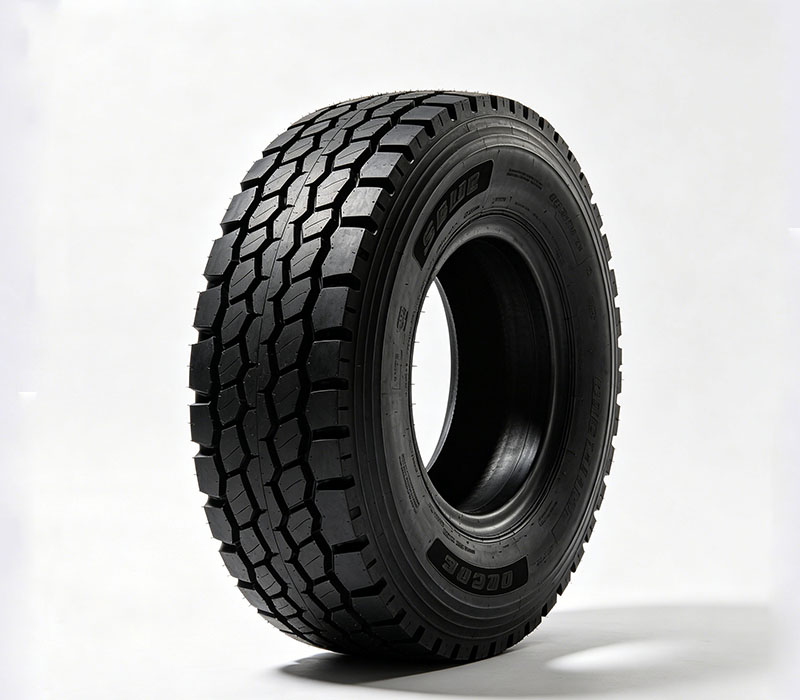
Off-road enthusiasts and outdoor operation practitioners pay more attention to the grip performance and damage resistance of tires.
Complex muddy, gravel and mountain road conditions put higher requirements on tire tread patterns and tire body structures. Our tire adaptation solution for off-road travel adopts thickened tire body and puncture-resistant rubber material, optimizes tread pattern design, enhances grip performance and impact resistance, can effectively resist damage from sharp objects, reduce the risk of tire blowout, and make off-road travel and outdoor operations safer and more assured.
Choosing the right tire is the first step to safe travel, and it is also the key to improving travel quality and reducing use costs.
We always take customer needs as the core, create customized tire solutions for different scenarios, and use professionalism and ingenuity to guard every journey. If you have confusion about tire selection, feel free to contact us. Professional consultants will recommend suitable tires for you one-on-one, making every trip safer and more efficient.

 Related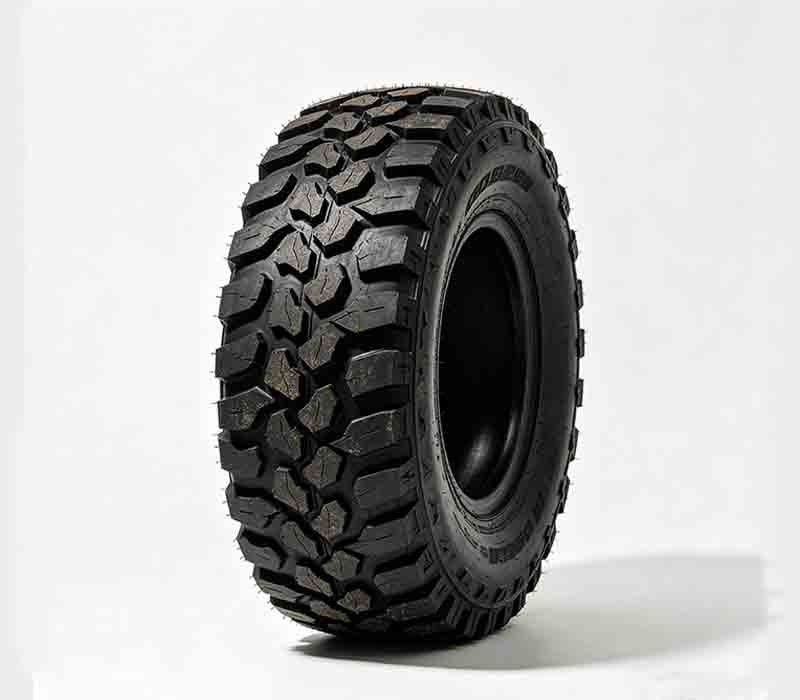



Excellent Service Each and Every Time